
| Getting your Trinity Audio player ready… |
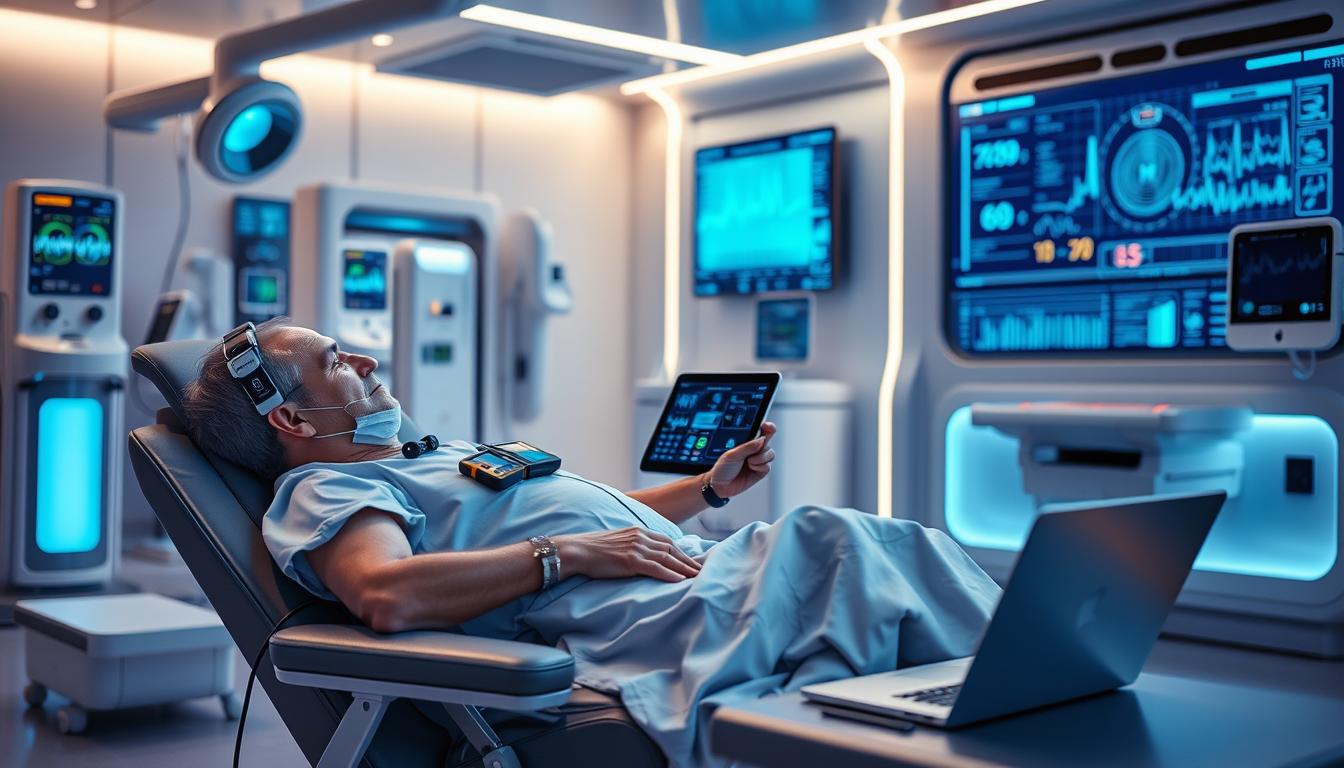
Remote patient monitoring is undergoing a revolutionary transformation, thanks to advancements in network technology and intelligent systems. The integration of high-speed connectivity and smart algorithms is reshaping how healthcare providers deliver care from a distance. This shift is not just about speed; it’s about making real-time data actionable and improving patient outcomes.
Modern systems now leverage artificial intelligence to process vast amounts of data efficiently. This capability allows for personalized insights and faster decision-making. For example, healthcare professionals can monitor vital signs in real time, ensuring timely interventions when needed.
The future of remote patient monitoring lies in the seamless collaboration between robust networks and intelligent tools. These technologies empower healthcare providers to offer better care, reduce operational costs, and enhance the overall patient experience. As we move forward, the potential for innovation in this field is limitless.
Key Takeaways
- High-speed connectivity is essential for real-time data transmission.
- Intelligent algorithms enable personalized healthcare insights.
- Modern systems improve efficiency and reduce operational costs.
- Real-time monitoring ensures timely medical interventions.
- These technologies enhance the overall patient experience.
Harnessing 5G & AI for Enhanced Patient Monitoring
The healthcare industry is witnessing a seismic shift in patient monitoring. Advanced networks and intelligent systems are at the forefront of this transformation. These technologies enable seamless data flow, ensuring that healthcare providers can deliver timely and accurate care.
Real-Time Data Transmission and Analysis
Real-time datum is critical for accurate patient monitoring. Modern networks ensure that data from monitoring devices is transmitted instantly. This capability allows healthcare professionals to make informed decisions quickly.
Low latency connectivity reduces delays, ensuring that critical information reaches providers without interruption. This is especially important in emergencies, where every second counts.
Improving Diagnostic Accuracy and Response Times
Intelligent systems process vast amounts of data efficiently. This leads to more accurate diagnostics and faster response times. For example, algorithms can detect anomalies in vital signs, alerting providers to potential issues before they escalate.
Healthcare service providers benefit from these advancements. Improved performance ensures reliability, while enhanced user experience drives patient satisfaction. The integration of these tools is seamless, making them accessible to a wide range of applications.
In the future, these technologies will continue to evolve. Increased bandwidth and optimized network performance will support even greater data flow. This will further enhance the overall patient experience, ensuring better outcomes for all.
Advancements in 5G & AI Technologies
The latest advancements in network technology are reshaping how we approach connectivity. These innovations are not just about speed; they’re about creating smarter, more efficient systems. By integrating advanced algorithms, we’re seeing a transformation in how data is managed and transmitted.
Innovative Network Solutions and Algorithms
Modern networks are leveraging cutting-edge solutions to optimize performance. Techniques like MIMO and carrier aggregation are enhancing bandwidth and reducing latency. These improvements ensure that data flows seamlessly, even in high-traffic scenarios.
Algorithms play a crucial role in this evolution. They analyze patterns in real-time, enabling smarter resource management. This approach not only boosts efficiency but also enhances security across the system.
Low Latency and High-Speed Connectivity Benefits
Low latency is a game-changer for many applications. It ensures that critical information is delivered without delay, which is vital for industries like healthcare. High-speed connectivity, on the other hand, supports the growing demand for real-time data processing.
Together, these capabilities create a robust infrastructure. This foundation supports everything from smart devices to large-scale communication networks. The result is a more reliable and efficient experience for both operators and end users.
Transforming Healthcare Delivery with Remote Monitoring
Healthcare is entering a new era of innovation through remote monitoring. This technology is reshaping how care is delivered, making it more personalized and efficient. By leveraging intelligent systems and advanced tools, healthcare providers can now offer better services to patients, no matter where they are.

Personalized Patient Care Powered by Intelligence
Modern healthcare is all about tailoring treatments to individual needs. Intelligent systems analyze patient data in real-time, providing insights that help doctors make informed decisions. This approach ensures that care is not only effective but also highly personalized.
For example, wearable devices continuously collect vital signs and send this datum to central systems. This allows healthcare providers to monitor patients remotely and intervene quickly if needed. The result is a more proactive and responsive healthcare model.
Integration of Wearable Devices and Cloud Data
The seamless integration of wearable devices with cloud platforms is revolutionizing remote monitoring. These devices collect data such as heart rate, blood pressure, and activity levels, which is then stored and analyzed in the cloud. This integration ensures that patient information is always up-to-date and accessible.
Cloud-based systems enhance the efficiency of healthcare delivery. They enable real-time adjustments to treatment plans, ensuring that patients receive the best possible care. This capability is particularly valuable for managing chronic conditions and post-operative recovery.
| Benefit | Description |
|---|---|
| Real-Time Monitoring | Wearable devices provide continuous data, enabling immediate responses to health changes. |
| Personalized Insights | Intelligent systems analyze data to offer tailored treatment recommendations. |
| Improved Efficiency | Cloud integration reduces manual data handling, saving time and resources. |
| Enhanced Patient Experience | Remote monitoring allows patients to receive care from the comfort of their homes. |
The future of healthcare lies in the power of these technologies. By combining wearable devices with cloud platforms, we can create a more connected and dynamic healthcare system. This approach not only improves patient outcomes but also enhances the overall user experience.
Industry Insights on Network Optimization and Security
The network industry is facing unprecedented challenges as demand for connectivity surges. With more devices and applications relying on seamless data flow, optimizing performance and ensuring security have become critical priorities. Operators must address these challenges to deliver reliable services and maintain customer trust.

Managing Traffic, Bandwidth, and Latency Challenges
High traffic volumes strain network resources, leading to potential bottlenecks. Operators use advanced algorithms to manage bandwidth effectively. These tools analyze traffic patterns and allocate resources dynamically, ensuring smooth operations even during peak usage.
Latency remains a significant concern, especially for real-time applications. Low-latency solutions, such as edge computing, reduce delays by processing data closer to the source. This approach enhances the user experience and supports critical services like remote monitoring and telemedicine.
Ensuring Information Security and Seamless Operations
Security is paramount in today’s connected world. Robust frameworks protect sensitive data from breaches and cyber threats. Encryption and multi-layered authentication are essential tools in safeguarding information integrity.
Self-healing systems, powered by intelligent algorithms, detect and resolve issues automatically. This capability minimizes downtime and ensures uninterrupted service. For businesses, this translates to improved reliability and customer satisfaction.
| Challenge | Solution |
|---|---|
| High Traffic | Dynamic resource allocation using advanced algorithms |
| Latency | Edge computing and low-latency technologies |
| Security | Encryption and multi-layered authentication |
| Downtime | Self-healing systems for automatic issue resolution |
Optimizing network performance and ensuring security are not just technical goals; they are business imperatives. By addressing these challenges, operators can deliver a seamless experience, driving growth and innovation in the industry.
Future Trends: The Evolving Role of 5G & AI in Healthcare
The future of healthcare is being reshaped by the convergence of advanced networks and intelligent systems. These technologies are setting a new course for how care is delivered, making it more efficient, personalized, and accessible. As we move into a data-driven era, the integration of these tools will play a pivotal role in transforming the industry.
Preparing for a Data-Driven, AI-Enhanced Era
Healthcare is evolving rapidly, with data at its core. Intelligent systems are now capable of analyzing vast amounts of information in real-time, providing actionable insights for better decision-making. This shift is not just about technology; it’s about creating a more responsive and patient-centric approach to care.
One of the key advancements is the use of algorithms to forecast network patterns. These tools enable healthcare providers to adapt operations dynamically, ensuring low latency and efficient resource use. For example, real-time adjustments can be made to manage uplink and downlink demands, improving overall performance.
Proactive investment in these technologies is critical. By upgrading infrastructure and integrating intelligent systems, healthcare providers can stay ahead of future traffic surges. This ensures seamless operations and enhances the overall user experience.
| Strategy | Benefit |
|---|---|
| Forecasting Network Patterns | Enables real-time adjustments and efficient resource allocation |
| Low Latency Solutions | Improves response times for critical applications |
| Infrastructure Upgrades | Supports growing data demands and enhances system reliability |
| Intelligent System Integration | Optimizes operations and improves patient outcomes |
The business implications of these trends are significant. Healthcare providers who embrace these advancements will gain a competitive edge, offering better services and improving customer satisfaction. The future is bright, and the possibilities are endless.
Conclusion
The integration of advanced technology into remote patient monitoring is transforming healthcare delivery. By leveraging intelligent systems and robust networks, providers can offer more personalized and efficient care. This shift ensures real-time datum analysis, enabling timely interventions and better patient outcomes.
Emerging trends are enhancing network reliability and application performance. These advancements support seamless data flow, even during high traffic periods. Wearable devices and cloud integration further streamline monitoring, making healthcare more accessible and proactive.
Looking ahead, the future of healthcare lies in these innovations. Preparing for a data-driven world is essential. By adopting these tools, we can ensure improved care, operational efficiency, and a better overall experience for patients and providers alike.
FAQ
How does real-time data transmission improve patient monitoring?
Real-time data transmission allows healthcare providers to monitor patients continuously, ensuring immediate analysis and faster response to critical health changes. This enhances the overall quality of care.
What role does low latency play in remote patient monitoring?
Low latency ensures that data is transmitted and processed almost instantly, reducing delays in diagnosis and treatment. This is crucial for time-sensitive medical decisions.
How are wearable devices integrated into remote monitoring systems?
Wearable devices collect vital health data, which is then transmitted to cloud-based platforms for analysis. This integration enables seamless monitoring and personalized care.
What are the benefits of using advanced algorithms in healthcare?
Advanced algorithms improve diagnostic accuracy by analyzing complex patterns in patient data. They also help predict potential health issues, enabling proactive care.
How does high-speed connectivity enhance patient care?
High-speed connectivity ensures that large volumes of data, such as medical images or real-time vitals, are transmitted quickly. This supports efficient and accurate healthcare delivery.
What challenges are associated with managing network traffic in healthcare?
Managing network traffic involves balancing bandwidth, ensuring low latency, and maintaining security. These factors are critical for reliable and uninterrupted patient monitoring.
How is information security ensured in remote patient monitoring systems?
Information security is maintained through encryption, secure data storage, and robust access controls. These measures protect sensitive patient data from unauthorized access.
What future trends are expected in the use of technology for healthcare?
Future trends include greater use of artificial intelligence for predictive analytics, expanded integration of wearable devices, and enhanced network capabilities for global healthcare solutions.

Leave a Reply